
The use of electrical extensions is common in Los Cabos homes, offices and shops, but are often used incorrectly, which can cause overloads, short circuits or even fires. In BajasolutionsWe know that prevention is the key to ensuring safe and efficient facilities. That's why we share practical steps to use an electric extension correctly and protect both your equipment and your investment.
The first step is verify the quality of the extension before you use it. Not all extensions are designed to support the same electrical charge. It is important to check that it has safety certifications and is made of resistant materials. In Los Cabos, where moisture and heat can affect equipment, choosing good quality extensions is essential to avoid premature damage.
The second step is to identify the load capacity. Each extension has a power limit that it can support. Connecting too many devices in a single line can generate overheating and risk the electrical installation. In Bajasolutions we recommend to calculate the consumption of the devices before plugging them, especially in the case of high-consumption appliances such as portable air conditioning or electrical tools.
The third step is place the extension in a safe place. It should never pass under carpets, doors or areas where it can be constantly stepped on. This not only damages the wiring, but also increases the risk of short circuits. In Los Cabos, where many homes and businesses have open spaces, it is vital to keep the extensions away from wet areas or exposed to direct sun.
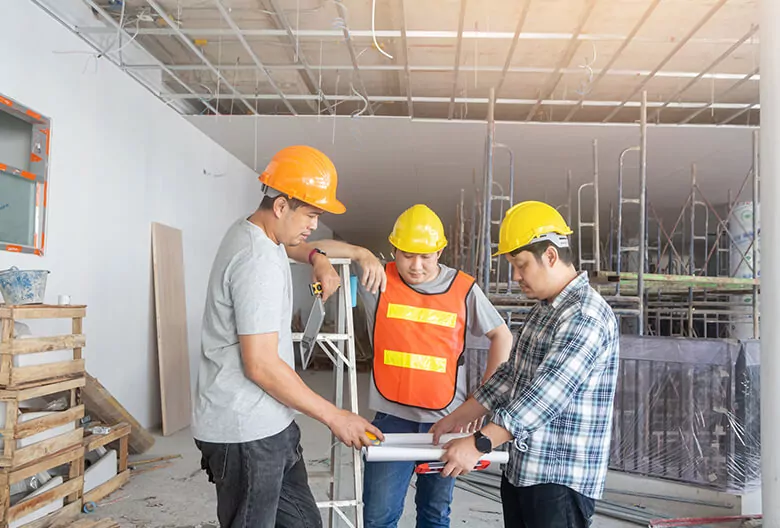
Bajasolutions we are specialists in electrical security in Los Cabos
The fourth step is avoid prolonged use of extensions as a permanent solution. An electric extension is designed for temporary use. If you need more connection points, the ideal is to request the installation of additional shutters or a professional electrical redesign. At Bajasolutions we offer electrification projects adapted to the needs of each client, ensuring security and compliance with official standards.
The fifth step is periodically review the status of the extension. Look for wear signs like peeled cables, loose sockets or burn marks. In the face of any evidence of damage, replace it immediately. Never try to repair it with adhesive tape or improvised solutions, as this can make the problem worse.
The sixth step is disconnect extension when not in use. This not only saves energy, but also reduces the risk of electrical accidents. In Los Cabos, where energy demand increases in tourist seasons, each preventive action helps to maintain safe and efficient facilities.